About Us
The dredger is a small dredge used to remove accumulated sludges and sediment from a body of water.
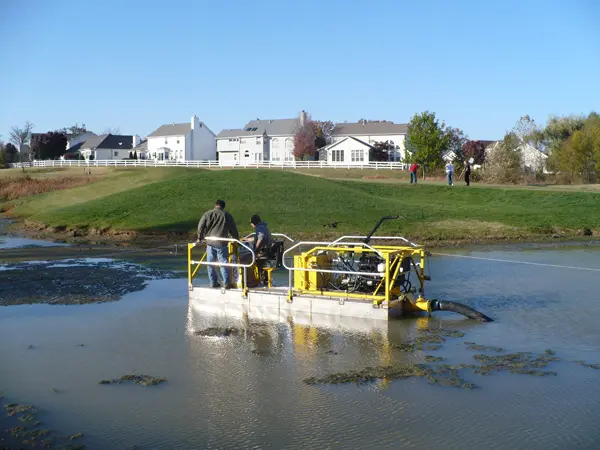
Dredgetec excavate silt, sand, clay and slurry by using a floatable highly portable dredger, which is floated on a pontoon. The dredger makes use of a durable, high-torque, direct drive cutter head which pumps at rates of up to 5600LPM (litres per minute). This is done through a high-resistant, hydraulic submersible dredge pump. Dredgetec can complete a plethora of jobs which much bigger excavators simply cannot do. The dredger is 6.7 meters long and 1.8 meters wide, with a low cost to get into action and has a small environmental footprint. The dredger has a working depth of 4 meters.
The dredger is launched and loaded like a boat with little or no damage to the banks of the waterway and leaves no tracks. The dredger can thoroughly clean without harming the wildlife and without eroding the banks of the waterway. The dredger is powered by a four-cylinder diesel engine that consumes just 11LPH (litres per hour) of diesel. The dredger can hold 113 litres in its fuel tank. Small and powerful the dredger makes use of a high-torque suction boom that can pass debris of up to 8 centimetres in diameter. The cutterhead of the dredger is 1.67 meters in width.
The dredger is small enough to remove debris and sediment from the bottom of containment ponds, which are there to prevent toxic wastewater from chemical plants and farms from mixing with streams and other bodies of water. The dredger keeps the water of retention ponds on golf courses and neighbourhoods clear of pollutants.
The dredger keeps the aquatic lake ecosystems both clean and healthy, whilst clearing away sediment and excess nutrients to help fight silt build up and prevent excessive plant growth. Due to slow water currents in marinas, the dredger is perfect for the removal of sediment leaving the water beautiful for boating and fishing. The pump on the dredger is designed for pumping high volumes of silt and water including trash, debris, and various other thick materials.
Dredged material is pumped through a reticulated piping system, to either a dewatering bag, known as a geo bag or can be pumped to another part of the property for disposal or other uses, such as topsoil, landfill, or fertilizer.
What is the purpose of Dredging?
- Maintaining existing waterways: Dredging can restore the waterway to its original depth and condition. Dredging also removes dead vegetation, pollutants and trash that have gathered in these — Sedimentation or the accumulation of silt, sand, and other debris, affects the depth of water and it continually occurs, as rivers deposit sediment downstream. Commercial vessels transport the world’s goods, waterways and the depth of the waters make it safe and navigable. If left unchecked, sedimentation can pose a direct threat to ports and harbours. That’s why the dredging of these waterways and the taking of preventative action becomes a routine necessity.
- Creating new waterways and increasing the depth: Regular dredging increases the volume of water and restores the waterway to its original depth and reduce the risk of flooding.
- Cleaning ponds and lagoons: Ponds and lagoons often contain stagnant water; they can become clogged up with vegetation and can begin to have a bad odour. These stagnant waters can become infected with mosquitos and can have the threat of bilharzia. After removing the unwanted vegetation and by using dredging, the pond or lagoon can be returned to its original state, with running water and remove the unwanted pests.
However, the dredging procedure can also apply to very specific uses, especially for industrial functions and environmental aid.