Table Of Contents :
- What Is Dredging
- What Dredging is Used For
- Dredging Benefits
- How Dredging Works
- Types of Dredges
- Sediment Removal Options
WHAT IS DREDGING?
Dredging means the process of removing accumulated sediment from the bottom or banks of bodies of water, including rivers, dams or streams. Dredges are specialized pieces of equipment that create a vacuum to suck up and pump out the unwanted sediment and debris.
Sedimentation is a naturally occurring process where silt, sand and other debris accumulate on the bottom of rivers, dams, canals or streams over time. An excessive build-up of sediment can cause a series of issues. For instance, it can reduce the depth of the waterway and prevent proper water flow. It can also lead to contamination that poses a threat to aquatic plant and wildlife. In coastal areas, sediment accumulation can cause beaches to erode.
We depend on various waterways for several daily functions, ranging from transporting goods to commercial fishing and recreation. Over time, these waterways can become filled with sediment that makes them difficult to navigate and sometimes pose an environmental hazard.
It often becomes necessary to find a way to remove a large accumulation of sediment to preserve the health of the waterway and enable commercial applications. The dredging process can provide a fast, efficient sediment removal solution, and various types of dredges can complete the sediment removal process.
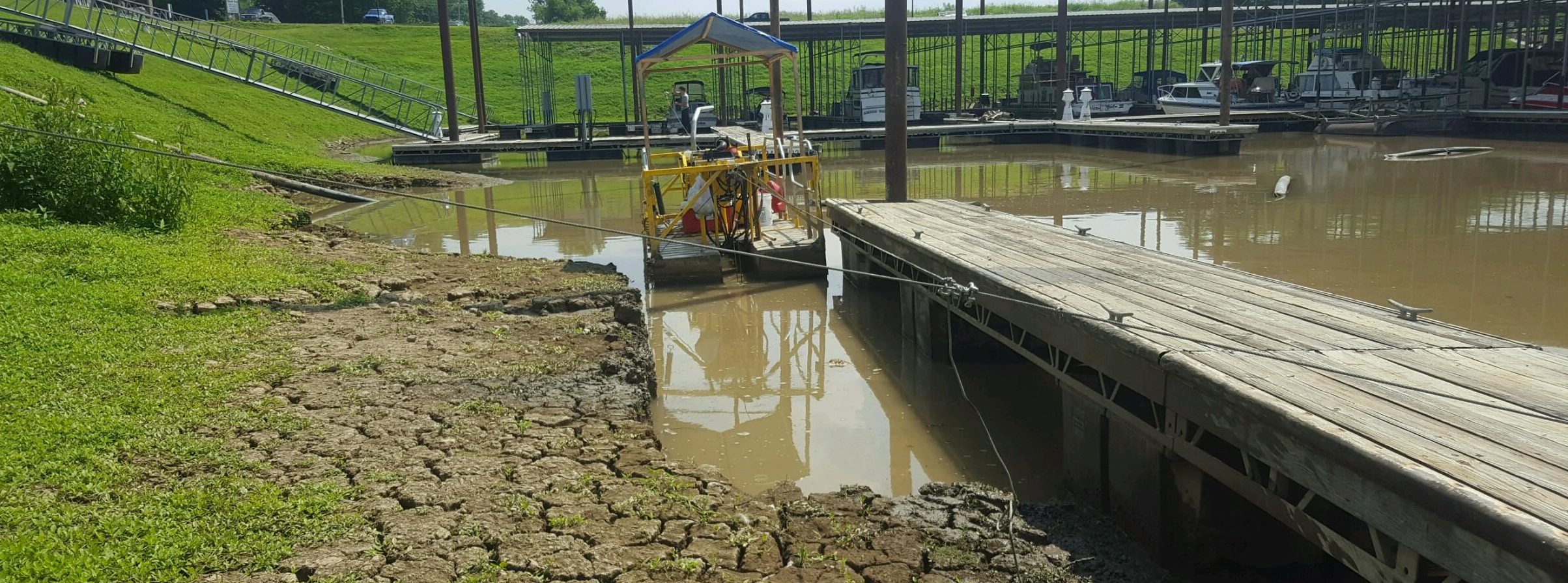
The sediment removal process uses a dredge to excavate the accumulated sediment and debris. A dredge is either partially or completely submerged in water and allows the operator to easily gather the sediment and transport it to a different location. When dredging is complete, you can relocate sediment for several purposes.
WHAT IS DREDGING USED FOR?
Dredging has several unique purposes that apply to many industries, including:
- Maintaining existing waterways: Dredging is an important step in waterway maintenance. By removing the accumulated debris, dredging can restore the waterway to its original depth and condition. Dredging also removes dead vegetation, pollutants and trash that have gathered in these areas.
- Creating new waterways: Many ports are building new waterways with dredging to reach new trade centers and improve the efficiency of transporting goods. Dredging ensures cargo vessels of all sizes can dock and do not run aground.
- Increasing waterway depth: As sediment builds up on the bottom of the waterway, it reduces the depth of the water. Dredging strips away the accumulated debris, which can restore the water body to its original depth and reduce the risk of flooding.
- Cleaning ponds, dams and lagoons: Ponds, dams and lagoons contain stagnant water, so they often can become mucky and have a foul odour. By using dredging, one can remove the accumulated sediment that has caused this making for a healthier body of water.
However, the dredging procedure can also apply to very specific uses, especially for industrial functions and environmental aid.
INDUSTRIAL FUNCTIONS
Many companies use water dredging equipment to help with industrial and construction projects. Because dredging can assist with many different business sectors, it has many different industrial functions, including:
- Excavating: Sediment removal plays an important role in the preparation for construction projects such as bridges, docks and piers by performing the necessary underwater excavation work.
- Reconfiguring for larger ships: By deepening and widening a waterway, dredging can make it passable for larger cargo vessels, which can have a positive economic impact. Dredging waterways can also help ensure boats can still pass through during low tide, creating longer windows for docking.
- Gathering construction materials: The sediment removal process is sometimes used to gather sand, gravel and other debris used to make concrete for construction projects.
- Cleaning canals: Canals experience heavy traffic that can cause a build-up of sediment and other debris. Dredging canals can clear unwanted sediment to create better waterways for all kinds of boats.
- Mining for precious metals: In certain bodies of water, the sediment can contain traces of precious metals such as gold and diamonds. Dredging can aid in excavating this mineral-filled sediment.
ENVIRONMENTAL FUNCTIONS
Dredging is a great way to improve and maintain aquatic ecosystems. You can apply dredging to many environments and can help aid ecosystems in several ways, including:
- Improving water quality: Dredging can remove contaminants that occur due to chemical spills, sewage accumulation, buildup of decayed plant life and storm water runoff.
- Preserving wildlife and ecosystems: Dredging helps ecosystems by removing trash, sludge, dead vegetation and other debris. It keeps the water clean, preserves the local wildlife’s ecosystems and remediates eutrophication — the excess of nutrients in the water due to runoff. By solving eutrophication, you stop the excess growth of plant life, which can cause oxygen deprivation.
- Replenishing shores: Storms, offshore mining, natural disasters, like hurricanes, and human-made disasters can cause a beachfront to erode over time, which can change its landscape and impact the local ecosystem. Dredging can help to restore the beachfront to its original condition and reverse the effects of soil erosion, keeping the local ecosystem, its native plant and aquatic wildlife intact.
- Removing trash: Dredging can assist in keeping waterways clean by removing trash and debris from beneath the surface.
THE ADVANTAGES OF DREDGING?
Depending on the function and purpose of the dredging process, you can find several advantages to using this process. Whether you are a commercial business interested in how dredging can make projects more efficient or an environmentalist wondering how it can benefit ecosystems, dredging offers many benefits.
ENVIRONMENTAL BENEFITS
Dredging allows businesses to work with waterways to create better and healthier aquatic ecosystems. One of the largest benefits of dredging waterways is helping to reduce eutrophication, which is an excessive amount of nutrients in a water body typically caused by water runoff from the surrounding land. Eutrophication can lead to an overabundance of plant growth that results in oxygen deprivation and can cause the death of aquatic wildlife. In some cases, dredging may be the most viable remediation option when eutrophication occurs.
However, dredging offers many environmental benefits, including:
- Restore environments: Sediment removal can help to restore a shoreline or beachfront to its original condition by reversing the effects of soil erosion.
- Cleaning ecosystems: Dredging can clean up a waterway after a toxic material spill or via the removal of trash, debris, decaying vegetation, sludge or other materials that can contaminate water and soil.
- Preserving aquatic life: Dredging can produce a healthier aquatic ecosystem that can result in a more suitable habitat for fish and other wildlife. It can also be used for trash and debris removal to support eco-friendly waterways.
- Removing general pollutants: Water bodies located near urban areas and industrial complexes can quickly become a receptacle for various pollutants. Sediment removal can prevent the accumulation of pollutants and keep the waterways and their wildlife clean and healthy.
- Reduce flood risk: Because the dredging process removes excess sediment along the bottom and sides of waterways, rain and connecting bodies of water can better flow together with less risk of floods. Waterways can better accommodate the natural level of water coming through their watershed system, so they can move and hold water and prevent spilling over the banks and onto the land.
When you dredge local waterways, even to help with construction projects, you can better support and sustain your waterway’s ecosystems. Further, dredging can environmentally help many different types of waterways, from long beachfronts to smaller ponds.
HOW DREDGING WORKS TO REMOVE SEDIMENT
Dredging removes extra muck and mud from bodies of water. The dredge uses a submersible pump that sucks up debris and a tube that transports the sediment from where it rests in the water to the surface. To properly dispose of the dredged material, you will need to follow any local, state and federal laws and regulations.
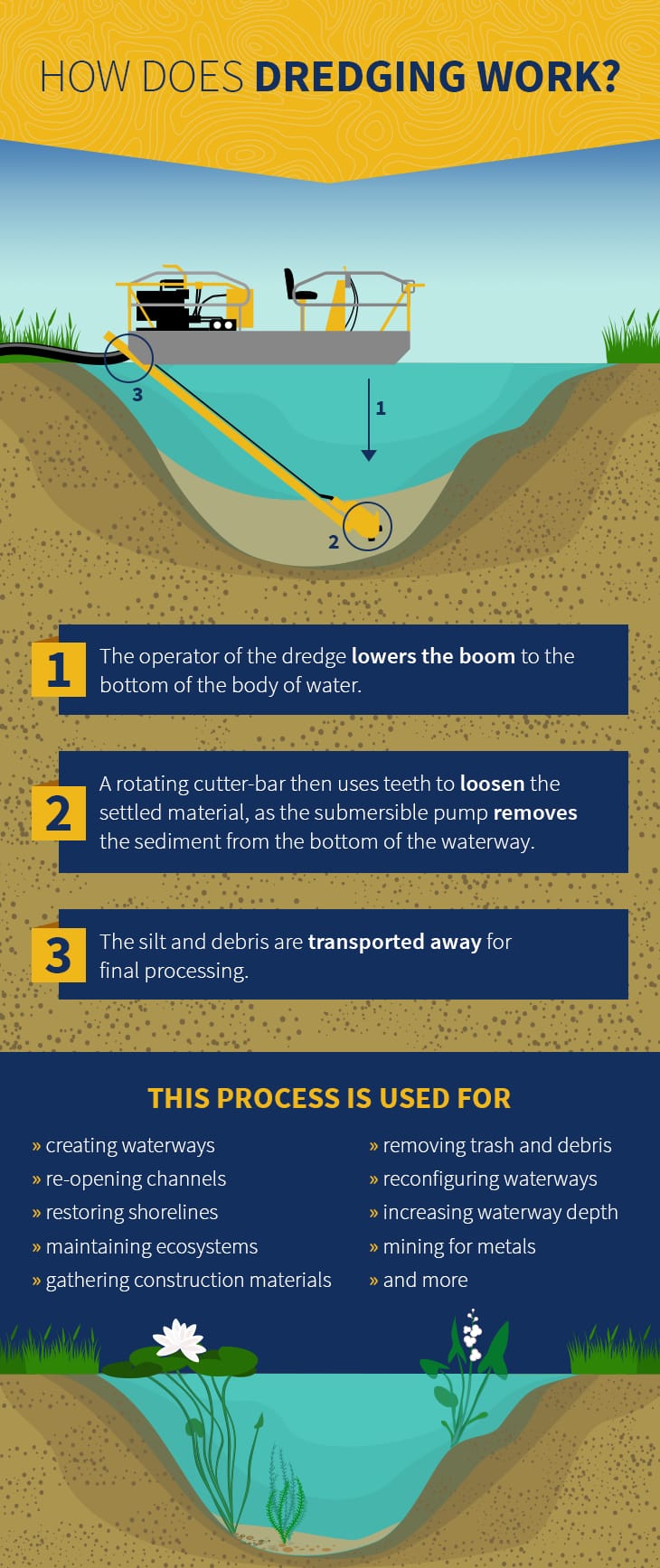
The dredging operator will lower a rotating cutterhead to loosen sediment and debris within a body of water, while a submersible pump sucks up the debris and transports it away for final processing.
The following infographic can help visualize the whole dredging process.
THE DIFFERENT TYPES OF DREDGES
There are several types of dredges used in the sediment removal process. At DredgTec, we use a cutter-suction type dredger. The most common types of dredges are:
- Plain-Suction: A plain-suction dredge is the most common type of sediment removal equipment. Unlike other dredge versions, it doesn’t contain a tool for penetrating or cutting into the bottom of the water body — it relies on suction to remove loose debris.
- Cutter-Suction: This type of dredge contains a cutting tool that loosens material from the bottom and transports it to the mouth of the suction apparatus. The use of a cutter-suction dredge may be necessary for removing debris from hard surfaces that would prevent efficient suction via standard methods.
- Auger-Suction: An auger-suction dredge essentially bores holes into the bed to loosen and suck up the debris. The rotating auger can burrow deeply into the surface. This type of dredge works well for sludge removal applications at wastewater treatment plants and other areas requiring heavy-duty sediment removal.
- Jet-Lift: This technologically advanced sediment removal equipment works by injecting a high-volume stream of water to pull in nearby water, silt, and debris.
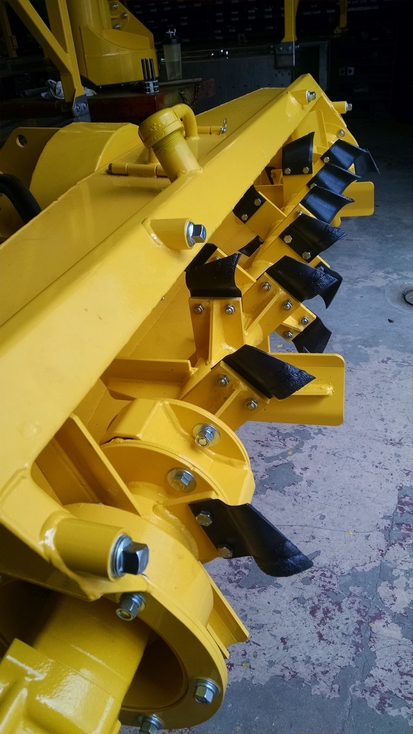
Our cutter-suction type dredge with its high quality and durable cutterhead that makes it perfect for sucking up sediment and other debris for many dredging projects. Its smaller, more compact size makes it easily transportable as well, allowing you to bring it along to any project, whether that is on the beach, by a river or at a small dam or pond.
SEDIMENT REMOVAL OPTIONS
Geo Bags
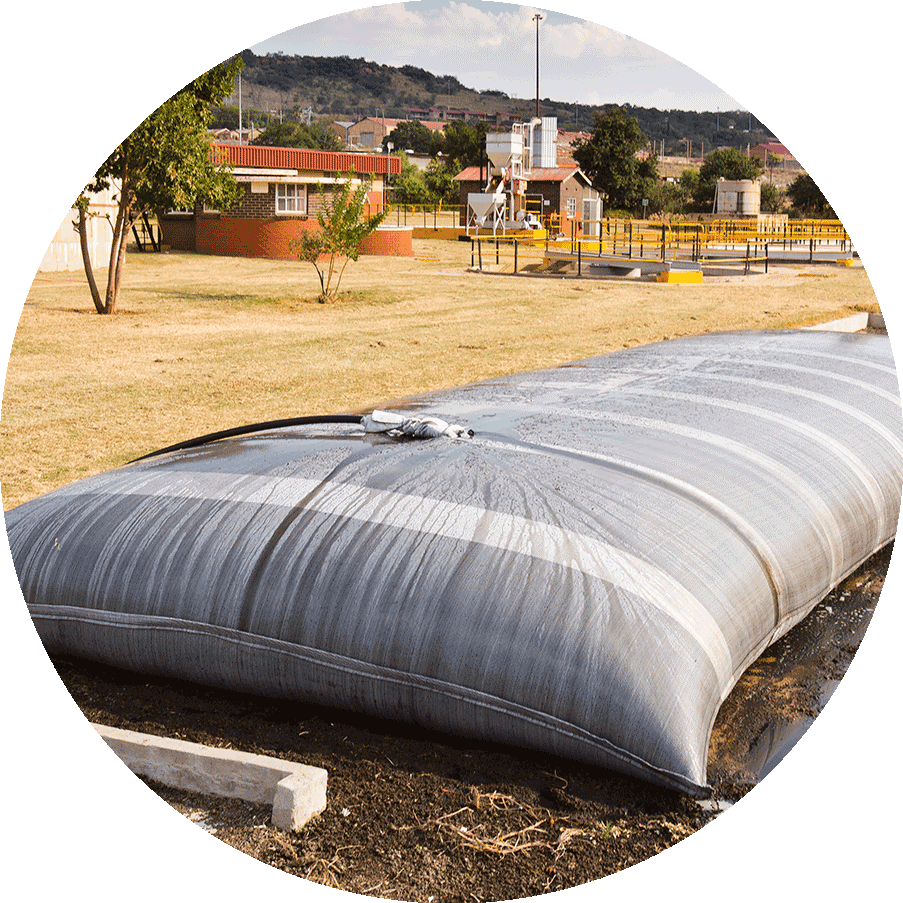
Geo bags or dewatering bags are made from a woven geotextile that can both be tubular or in large bags with handles. The geo bag helps to retain solids whilst the liquid filters through the geotextile. The bags can be manufactured with slow or fast flow rates. The geo bags can be designed to any specific requirement and to fit any project 100%.
Large projects should use the tubular bags, which can be manufactured in sizes ranging from 5 m circumference x 5 m length up to and exceeding 35 m circumference x 90 m length. Small scale dewatering bags – can be lifted by forklift and disposed of. The geo bags can be custom design designed based on your specific requirements.
Wet sand, silt and clay is pumped by the dredger through the reticulated piping system into the bag, or via gravity. Water filters either slowly or quickly through the geo bag, leaving the dredged slurry inside the bag – its like filing a sausage casing. The filtered water is channelled back
into the waterway leaving little or no damage to the surrounding area. This method is highly recommended when dealing with hazardous dredged materials, which has been determined by the taking of a soil sample.
The filtered material can either be used or discarded responsibly. Sometimes the filtered material would need to be treated by adding a flocculating agent. This increases the efficiency of the geo bags.
Advantages of using geo bags rather than conventional dewatering equipment:
- Easier to dispose of the filtered slurry.
- When completing a small-scale project, it is cost effective compared with mechanical dewatering equipment.
- Lower labour requirements.
- Simple auxiliary equipment required, with minimal maintenance requirements and low energy usage.
- Filtrate can be contained for recycling and re-use.
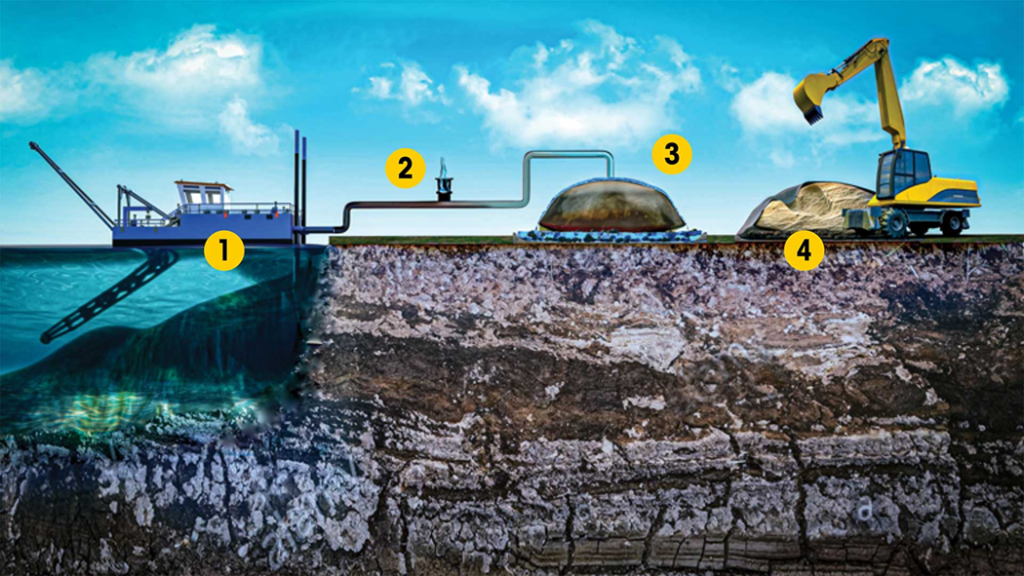
- Feeding the tubes
- Add flocculant
- Settling and dewatering
- Removal of dry material